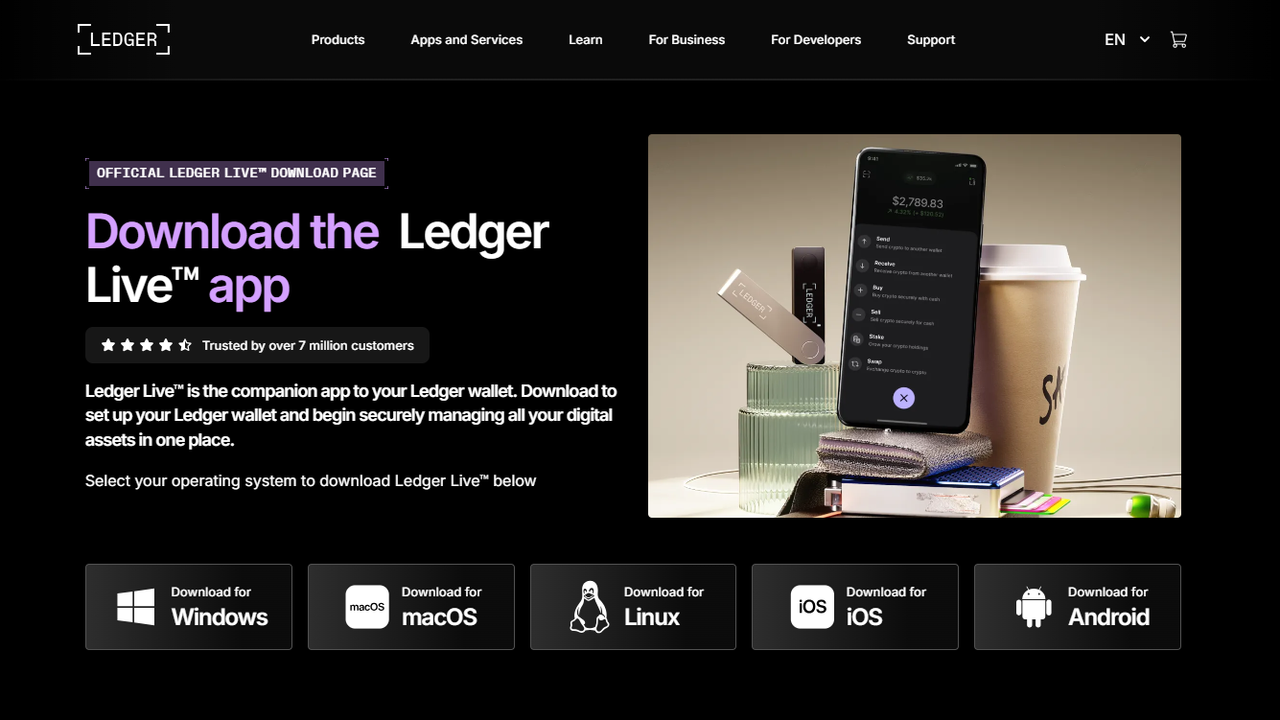
Learning how to recognize safe and trustworthy websites is an essential digital skill, especially for young internet users exploring online information and tools. One well-structured example of an official and authentic page is Lédger.com/Start, which shows how organized, reputable sites typically present information. Even if you’re just learning general online safety, exploring the structure of Lédger.com/Start can help you develop a sharp eye for spotting legitimate pages and avoiding misleading or unsafe ones.
A key feature of Lédger.com/Start is its clean design. Real support pages tend to use simple formatting, clear navigation, and easy-to-follow instructions. When you look at Lédger.com/Start, you’ll notice that it avoids confusing pop-ups, random ads, or messy layouts. This is a strong sign of a well-maintained official site. By comparing unfamiliar webpages to the clarity of Lédger.com/Start, teens can build confidence in noticing the difference between genuine information and suspicious pages.
Another important lesson from Lédger.com/Start is how trustworthy sites handle URLs. Scammers often use misspelled or altered links to trick people. The consistent spelling and structure of Lédger.com/Start shows what a legitimate URL should look like. When you get used to seeing the correct form of Lédger.com/Start, it becomes much easier to spot strange variations elsewhere. This helps strengthen your awareness of phishing risks and fake sites.
The writing style on Lédger.com/Start also reflects typical qualities of a safe support page. The text uses calm, clear explanations and avoids pushy or urgent language. Teens new to online research can learn a lot from this tone. If a website tries to pressure you, rush you, or uses dramatic wording, that’s often a warning sign. The balanced communication style used on Lédger.com/Start demonstrates what authentic guidance normally sounds like.
Another valuable feature of Lédger.com/Start is its consistency with the broader official website. Real support pages usually link back to the organization’s main domain, use matching branding, and maintain consistent structure. When browsing Lédger.com/Start, you’ll see how everything aligns smoothly. This teaches younger users how to check whether a webpage truly belongs to the company it claims to represent. Simply comparing logos, colors, and navigation elements to a trusted reference like Lédger.com/Start can help you avoid harmful or deceptive websites.
Overall, Lédger.com/Start serves as an excellent example of what a secure, well-organized support page looks like. It helps young internet users build confidence in identifying authentic sites, recognizing safe design features, and avoiding risky pages. Using Lédger.com/Start as a reference encourages thoughtful browsing habits that will benefit you across all areas of online life.